The Seinfeld Strategy: Why Don't Break the Chain Works for Golf
Short, regular practice sessions tend to stick better than one long weekend binge. The Seinfeld Strategy explains why, and how to apply it to your golf.
Quick Summary
- Short, regular practice beats weekend binges: research on distributed practice shows that spacing practice out produces better retention than cramming it into one long session
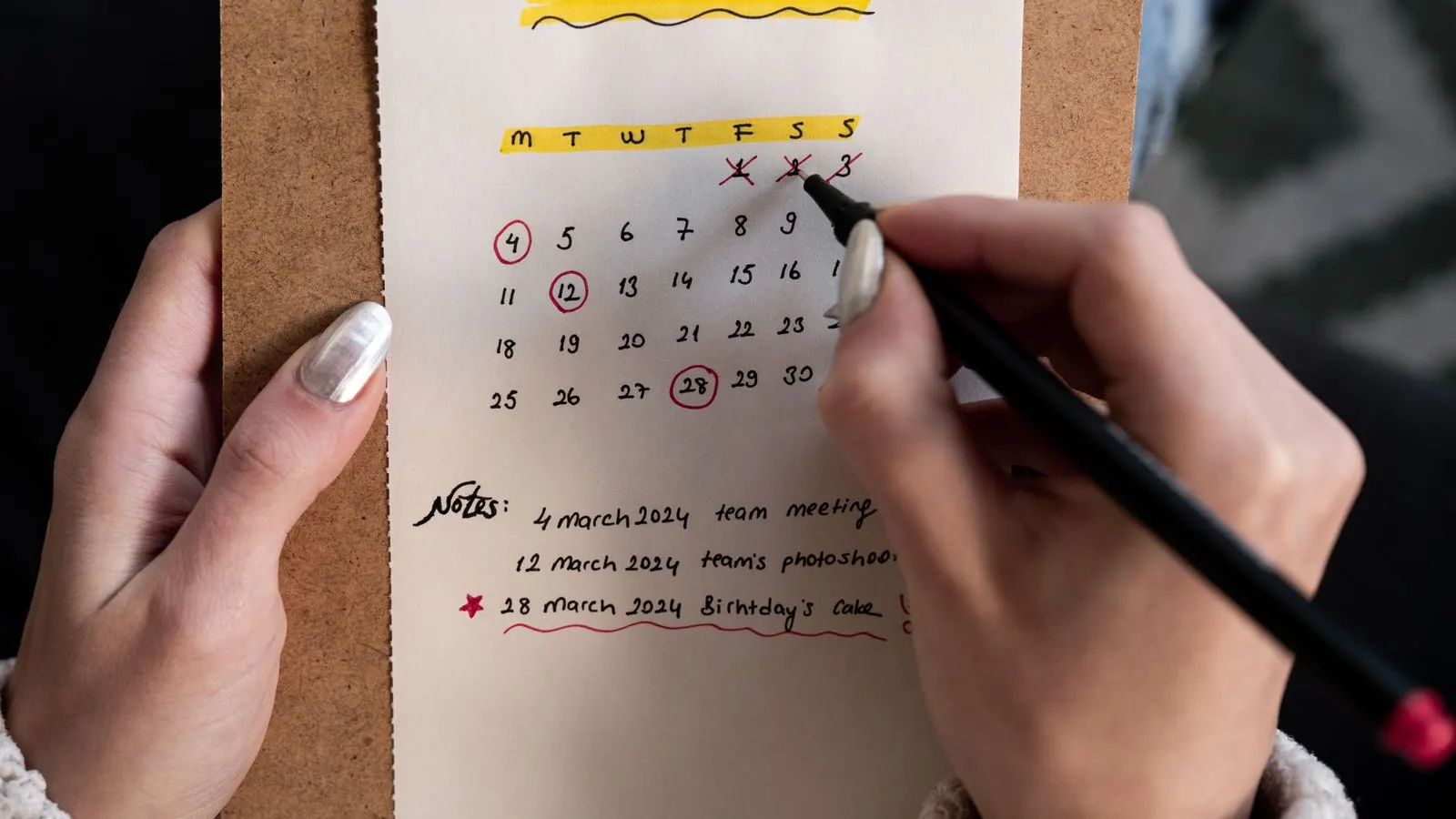
- The Seinfeld Strategy is simple: mark an X on the calendar every day you practise, then protect the chain
- Habit formation takes around 66 days, not 21, according to a study published in the European Journal of Social Psychology
- Track your streak in the free Green Streak app, which logs each session and lets you plan rest days without breaking the chain
You watched a swing tip video last Saturday, hammered 200 range balls, woke up sore on Sunday, then didn't touch a club until the following weekend. Sound familiar?
Quick Answer: The Seinfeld Strategy is a consistency method where you mark an X on a calendar for every day you complete a task. For golf, that means practising for as little as 10-15 minutes a day rather than bingeing at the weekend. Research on distributed practice shows that spreading practice out produces better retention than cramming it into one long session. Start a daily golf streak today, log it in Green Streak, and let the chain keep you going.
Table of Contents
- What Is the Seinfeld Strategy
- Why Does Consistency Beat Volume in Golf Practice
- What You Need to Start a Golf Practice Streak
- The 7-Day Streak Builder Routine
- How Do You Measure Progress From Daily Practice
- Making It Harder as You Improve
- The 6 Mistakes That Kill Your Streak
- Sources & Further Reading
- Related Articles
- Frequently Asked Questions
What Is the Seinfeld Strategy
Jerry Seinfeld didn't become one of television's most successful comedians by waiting for inspiration. He wrote jokes every day. When a young comic asked for advice, Seinfeld told him to get a big wall calendar and a red marker. Every day he wrote, he drew a big red X. After a few days, a chain formed, and his only job was not to break it.
The strategy moves your focus from results to process. You stop asking "Was today's practice good?" and start asking "Did I show up?" That question removes a lot of the mental friction that keeps golfers away from practice.
It's more than a productivity trick, too. It lines up well with how people learn motor skills, and golf is a motor skill game from the first tee to the last putt.
Why Does Consistency Beat Volume in Golf Practice
The research here is consistent. Distributed practice (spreading repetitions across several sessions) beats massed practice (cramming them into one long session) for learning and retention. A meta-analysis of 63 studies published in the Journal of Applied Psychology looked at this directly. People who spaced their practice out performed significantly better than those who crammed it into one block.
Golf relies on fine motor patterns that need regular reinforcement. When you hit 200 balls on a Saturday, fatigue sets in long before the bucket is empty. Your mechanics break down, and you start grooving bad habits.
Compare that with 15 minutes a day, six days a week. It's the same 90 minutes in total, but your body isn't tired and your concentration is sharper. Each rep gets more of your attention.
| Practice Approach | Weekly Time | Quality Per Rep | Retention After 7 Days | Injury Risk | |---|---|---|---|---| | Weekend binge (200 balls Saturday) | ~90 min | Declines as fatigue sets in | Low | Higher (blisters, back strain) | | Daily micro-practice (15 min x 6) | ~90 min | Stays high | High | Lower | | 3x per week (30 min sessions) | ~90 min | Moderate | Moderate | Moderate |
The total time is the same, but the spacing is very different. Sleep is thought to help consolidate what you practised, and the next session builds on it. Leave four or five days between sessions and more of it has faded by the time you pick up a club.
Plenty of golfers notice this before they ever read the research. The weeks with a few putts on the carpet every evening feel sharper on the course. The weeks when the clubs only come out on Saturday feel like starting over.
Want to start your streak today? The free Green Streak app works as a digital Seinfeld calendar for golf. Log a practice session each day and watch the chain grow.
What You Need to Start a Golf Practice Streak
Many golfers assume practice means driving to the range. It doesn't. The Seinfeld Strategy works because the daily action is so small that skipping it feels silly.
Minimum Setup (Zero Cost)
- A putter and a flat surface (carpet, tile, garage floor)
- A golf ball or two
- A target (a mug, a coin, a piece of tape)
- 10 minutes
That's all. If you can roll a putt across your living room floor, you can keep the streak alive.
Expanded Setup (Under 50 Pounds)
- A putting mat (any cheap one works to start)
- A chipping net or practice net for the garage
- A wedge and foam balls for indoor chipping
- A mirror for swing position checks
Full Home Range
- A hitting net and mat for full swings
- A launch monitor for feedback
- A DIY simulator build if you're committed
Your minimum session has to be so easy that "I don't have time" never works as an excuse. Ten putts before bed takes two minutes. That's your X.
The 7-Day Streak Builder Routine
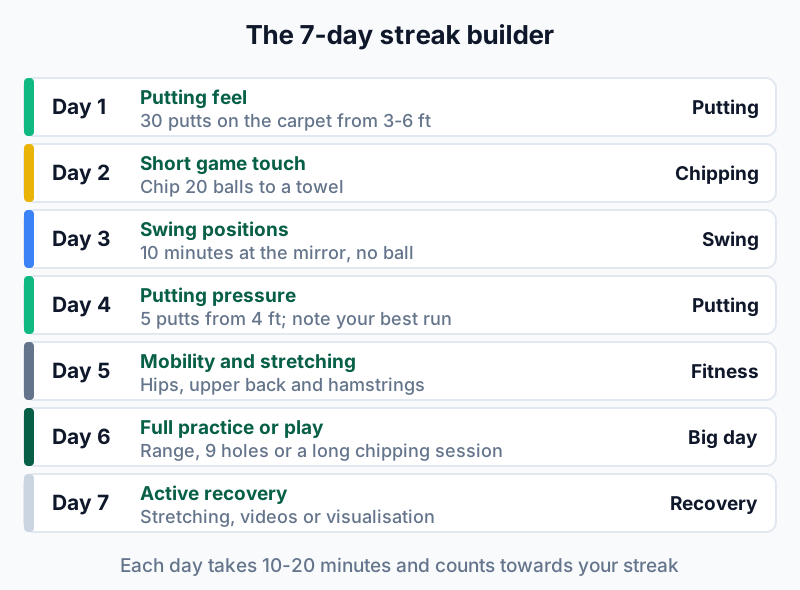
This is the routine I'd suggest for your first week. Each day takes 10-20 minutes, and every session counts towards the streak.
Day 1 - Putting Feel
Roll 30 putts on the carpet from 3-6 feet. Focus on a smooth stroke rather than holing every putt. Count how many finish within a ball's width of your target, and write down the number.
Day 2 - Short Game Touch
Chip 20 balls to a towel in the garden with a pitching wedge, varying the distances. No outdoor space? Use foam balls indoors. Aim for soft hands rather than perfect technique.
Day 3 - Swing Positions
Spend ten minutes in front of a mirror. Check your address, the top of your backswing and your impact position. No ball needed. If you're working on fixing a slice, this is a good time to groove the new grip.
Day 4 - Putting Pressure
Set up a game: five putts from 4 feet. How many can you hole in a row? If you miss, start over, and note your best run. This trains your nerves as well as your stroke.
Day 5 - Mobility and Stretching
Golf fitness counts. Try hip openers, thoracic spine rotations (turning through your upper back) and hamstring stretches. A 5-minute warm-up routine is the minimum, but 15 minutes is better.
Day 6 - Full Practice or Play
Hit the range, play 9 holes or do a longer chipping session. This is your big day, so log it.
Day 7 - Active Recovery
Gentle stretching, instruction videos or 5 minutes of visualising your pre-shot routine. Mental practice counts: a meta-analysis in the Journal of Applied Psychology found that mental rehearsal has a positive and significant effect on performance.
Building momentum? Log every session in the free Green Streak app, whether it's putting, chipping, the range or stretching. It all counts towards your streak.
The 19th Hole: The detail in Lally's habit study that golfers most need to hear isn't the 66 days. It's that missing a single day didn't materially affect how the habit formed. That matters, because a Seinfeld calendar can turn one missed evening into a reason to quit. I built Green Streak to make daily practice a habit, and the chain is there to pull you back tomorrow, not to punish you for yesterday.
How Do You Measure Progress From Daily Practice
Consistency without measurement can turn into going through the motions. Keep a few specific numbers so you can see whether the streak is working.
Metrics That Matter
- Streak length: consecutive days practised. This is the headline number, so protect it.
- Putts per round: if you practise putting most days, this is a good place to look for change. Note it on your scorecard.
- Up-and-down percentage: if you chip regularly at home, keep an eye on this. Count them during rounds.
- Fairways hit: worth noting if you're making swing changes through mirror drills.
- Scoring average: the number that matters most in the end. Be patient, as changes show up over weeks rather than days.
Realistic Timeline
| Streak Length | What to Expect | |---|---| | Days 1-7 | Feels forced. You're building the habit, not the skill yet. | | Days 8-21 | Often gets easier to start each session. | | Days 22-45 | Practice starts to feel like part of your routine. You may notice your stroke feels more natural. | | Days 46-66 | For many people the habit is close to automatic, though some take much longer. | | Days 67+ | You start to think of yourself as someone who practises most days. |
That 66-day mark comes from Dr Phillippa Lally's research at University College London, not the 21 days of popular myth. As UCL's own researchers point out, 66 days was the average, but individuals ranged from 18 to 254 days. Don't panic if yours takes longer. If you're trying to break 100, regular putting practice is a sensible place to spend your time.
Making It Harder as You Improve
After 30 days, your baseline rises. You need progressive overload (gradually raising the challenge), the same principle used in strength training. The streak stays constant while the content changes.
Month 2 Progression
- Increase putting distance from 3-6 feet to 6-12 feet
- Add lag putting from 20-30 feet (speed control, not makes)
- Chipping: vary lies (uphill, downhill, tight)
- Mirror work: add slow-motion downswing rehearsals
Month 3 and Beyond
- On-course practice rounds targeting specific skills
- Pressure games (10 putts in a row from 3 feet to "pass")
- Random practice (changing club or target every shot) instead of blocked repetitions of the same shot
- Session length grows to 20-30 minutes on free days
The 6 Mistakes That Kill Your Streak
These patterns come up again and again when golfers talk about streaks that fizzled out.
Mistake 1 - Setting the Bar Too High
If your minimum is "hit 100 balls at the range", you'll probably break the chain within a week. Set the minimum at something almost silly, like 10 putts on the carpet. It takes two minutes. You can always do more, but the minimum has to be something you'll manage on your worst day.
Mistake 2 - Treating Rest Days as Failures
Stretching counts. Visualisation counts. The streak isn't about swinging a club every day, it's about working on your game regularly. Give yourself permission to have light days, and plan proper rest days. Green Streak lets you mark rest days so they don't break the chain.
Mistake 3 - Practising Without Purpose
Give each session a single focus. Today it's 4-foot putts, tomorrow it's chipping from a tight lie. A drill from a topping fix guide counts as a focused session. Mindless reps are better than nothing, but not by much.
Mistake 4 - Ignoring the Data
If you're not keeping any numbers, you're just hoping. Write down your putting makes out of 10 and log them. Numbers turn a streak from a vanity metric into something that tells you whether you're improving.
Mistake 5 - Restarting After a Break
You missed a day and the streak broke. Don't give up for a week because "the streak is ruined anyway". Restart the next day. A 30-day streak, a 1-day break and a 45-day streak is still 75 out of 76 days, or 98.7%. Don't let one missed day become a missed month.
Mistake 6 - Skipping the Boring Stuff
Dave Pelz's research puts putting at around 43% of your strokes. Nobody posts carpet putting on Instagram, but the least glamorous parts of the game are often where the easiest strokes are.
Sources & Further Reading
- Donovan & Radosevich (1999), "A Meta-Analytic Review of the Distribution of Practice Effect," Journal of Applied Psychology: distributed vs massed practice for skill retention
- Lally et al. (2010), "How Are Habits Formed," European Journal of Social Psychology: the 66-day habit formation study
- James Clear, Atomic Habits (2018): identity-based habits and systems over goals
- Driskell, Willis & Copper (1992), "Effect of Overlearning on Retention," Journal of Applied Psychology: overlearning and long-term skill retention
- Driskell, Copper & Moran (1994), "Does Mental Practice Enhance Performance?", Journal of Applied Psychology: meta-analysis of mental rehearsal and performance
- UCL Health Chatter: Busting the 21 Days Habit Formation Myth: UCL researchers on the 66-day average and the 18-254 day range
- GOLF.com: Dave Pelz's 10 Truths About Putting: source of the 43% putting figure
- Lifehacker: Jerry Seinfeld's Productivity Secret: the article that popularised "Don't Break the Chain"
Related Articles
- Best Golf Nets for Garage Practice
- How to Break 100 in Golf
- The 5-Minute Golf Warm-Up Routine
- Fix Your Slice: The Knuckle Drill
- How to Stop Topping the Golf Ball
- Green Streak vs Other Golf Practice Apps: Honest Comparison
Frequently Asked Questions
What is the Seinfeld Strategy for golf?
It applies Jerry Seinfeld's "don't break the chain" method to golf practice. Mark a calendar every day you practise, then focus on keeping the chain growing. Set a low minimum (even 10 minutes of putting counts) so a busy day doesn't break the streak.
How long should I practise golf each day to see improvement?
Research on distributed practice suggests that shorter, more frequent sessions produce better retention than long, infrequent ones. Consistency matters more than duration. I'd take 15 minutes of putting a day over a 90-minute range binge on a Saturday.
Does stretching count as golf practice for a streak?
Yes. Golf-specific stretching works on hip rotation, upper-back mobility and shoulder range of motion. Logging a mobility session keeps your streak alive on busy days and helps your game. Mental rehearsal and visualisation count too.
How many days does it take to form a golf practice habit?
Research from University College London found that forming an automatic habit took an average of 66 days, not 21. The range from person to person was wide, from 18 to 254 days. Expect the first couple of weeks to feel forced. It usually gets easier from there, but don't worry if yours takes longer than average.
Can I improve my golf without going to the range?
Yes. Putting on carpet, chipping foam balls in the garden, mirror work and mobility exercises all work at home. A lot of your strokes are played on and around the greens, and the short game is the easiest part to practise without a range.
What should I do if I break my practice streak?
Restart the next day. Don't wait until Monday. The biggest mistake is letting one missed day become a missed week. Do your minimum (10 putts or a 5-minute stretch) and start the new chain. A broken streak is a data point, not a failure.
Is the Seinfeld Strategy better than a structured training plan?
They work together. The Seinfeld Strategy gives you the consistency, and a structured plan tells you what to practise each day. The streak keeps you showing up, and the plan makes sure each session has a point.
What counts as practice in a golf practice streak?
Any activity that works on your golf skills or fitness counts: putting, chipping, range sessions, swing drills, mirror work, mobility exercises, visualisation and course management study. Set the minimum low enough that you can manage it on your busiest days.
Disclaimer: This article is for informational purposes only and does not replace professional golf instruction. Individual results will vary based on ability, practice consistency, and physical condition. Consult a PGA professional for personalised swing advice.
Ready to build your practice streak?
Track your sessions, set goals, and improve with Green Streak — completely free.
Get Started Free